Caluanie Muelear Oxidize
Caluanie Muelear Oxidize Australia: Discover More – Learn About Its Professional Applications
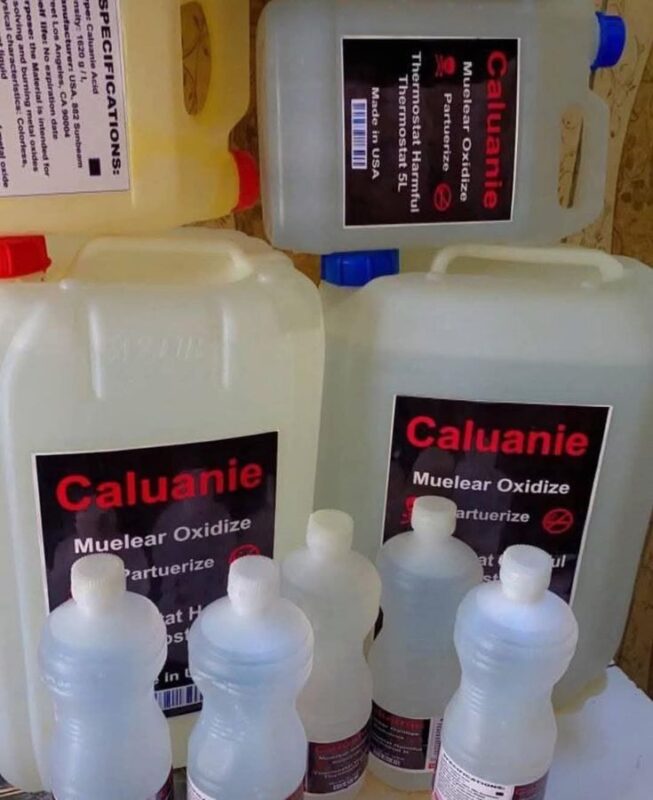
Feb
Caluanie Muelear Oxidize applications. Caluanie Muelear Oxidize is a specialized chemical compound that has recently attracted attention in research, academic, and professional chemistry discussions. Although it does not see widespread industrial use, understanding its applications, context, and properties provides valuable insight for students, researchers, and professionals alike.
In this article, we will explain what Caluanie Muelear Oxidize is, describe its professional applications, and highlight why it continues to spark interest in Australia. Additionally, we include a detailed FAQ section to answer common questions.
What Is Caluanie Muelear Oxidize?
Caluanie Muelear Oxidize refers to a specialized chemical compound primarily used in laboratory, academic, and research contexts. Unlike everyday chemicals, it does not appear in households or mainstream industrial applications. Instead, professionals study it to gain a better understanding of chemical reactions.
Key Characteristics
Several characteristics make Caluanie Muelear Oxidize noteworthy:
- Controlled Handling: Researchers handle it under strict laboratory conditions to ensure safety.
- Specialized Research Use: Chemists explore its properties in analytical experiments and educational demonstrations.
- Limited Industrial Application: Unlike common chemicals, it rarely finds use in mainstream manufacturing processes.
By viewing Caluanie Muelear Oxidize as a research-focused compound, professionals and students can focus on learning its properties without assumptions.
Why Professionals Study Caluanie Muelear Oxidize
Researchers, educators, and students examine Caluanie Muelear Oxidize for several reasons.
Firstly, academic curiosity drives many chemistry students to study lesser-known compounds to deepen their knowledge. Secondly, professionals conduct experiments to analyze oxidation reactions, molecular interactions, and other chemical behaviors. Thirdly, it allows learners to practice laboratory protocols safely. Finally, even theoretical studies contribute valuable insights to broader chemical research projects.
In Australia, universities and research institutions encourage responsible exploration through access to research publications, online educational resources, and laboratory programs.
Professional Applications of Caluanie Muelear Oxidize
Although it rarely appears in industrial applications, Caluanie Muelear Oxidize serves several important professional purposes.
1. Analytical Chemistry
Researchers often use Caluanie Muelear Oxidize to observe oxidation processes, reaction behaviors, and material interactions. By conducting controlled experiments, they can:
- Examine molecular oxidation
- Compare reaction rates under varying conditions
- Document chemical interactions for scientific publications
These experiments occur exclusively in controlled laboratory settings to ensure safety and accuracy.
2. Educational Demonstrations
Universities and chemical training programs occasionally use Caluanie Muelear Oxidize to demonstrate chemical principles. These demonstrations help students:
- Observe theoretical principles in practice
- Understand proper laboratory handling techniques
- Gain a foundation in scientific methodology
By integrating it into educational programs, instructors provide hands-on learning experiences while emphasizing safety.
3. Theoretical and Experimental Research
Chemists also study Caluanie Muelear Oxidize for theoretical and experimental purposes. For instance:
- Theoretical Modeling: Researchers simulate chemical reactions to predict oxidation behavior.
- Material Science: Studies explore potential implications for new materials or chemical processes.
- Controlled Experiments: Small-scale experiments help observe chemical reactions safely and systematically.
Even though these studies rarely translate into mainstream applications, they contribute significantly to the scientific understanding of chemical reactions.
4. Niche Industrial Insight
Some niche industries examine Caluanie Muelear Oxidize to explore advanced materials or experimental processes. However, these applications are highly regulated and only occur under strict professional oversight.
Responsible Awareness and Handling
Anyone working with Caluanie Muelear Oxidize must prioritize safety. Professionals emphasize:
- Following laboratory protocols closely
- Using documented procedures and precise measurements
- Avoiding assumptions about the compound’s properties
- Consulting credible, professional sources
By adopting responsible practices, researchers and students can safely study this compound while acquiring reliable knowledge.
How to Learn More About Caluanie Muelear Oxidize
To explore Caluanie Muelear Oxidize responsibly, rely on trusted educational and professional sources, including:
- University research libraries and databases
- Peer-reviewed scientific journals
- Licensed chemical reference materials
- Educational publications from reputable institutions
Avoid promotional or speculative online content. Instead, focus on material that clearly explains classification, context, and professional use.
Common Misunderstandings
Due to its niche nature, Caluanie Muelear Oxidize is often misunderstood.
- Some online sources exaggerate its properties or potential applications.
- Inaccurate descriptions can confuse students or amateur researchers.
- Its rarity in mainstream industry sometimes leads to speculation.
The most reliable approach is to rely on verified scientific and educational resources.
FAQs About Caluanie Muelear Oxidize
Q1: What is Caluanie Muelear Oxidize?
A: It is a specialized chemical compound primarily used in research, laboratory experiments, and educational demonstrations. It does not appear in everyday consumer products or mainstream industrial use.
Q2: What are its main professional applications?
A: Its applications include analytical chemistry, educational demonstrations, theoretical research, and rare niche industrial studies.
Q3: Can I use it at home or in regular industries?
A: No. Only trained professionals should handle it in controlled laboratory conditions.
Q4: Why is it studied in Australia?
A: Researchers and students in Australia study it to expand chemical knowledge, explore oxidation processes, and practice laboratory techniques safely.
Q5: How can I verify information about Caluanie Muelear Oxidize?
A: Use peer-reviewed journals, university research libraries, licensed chemical references, and educational publications from reputable institutions.
Q6: Is it dangerous to handle?
A: Improper handling can pose risks. Only professionals using appropriate laboratory protocols should work with it.
Q7: Why has online interest increased?
A: Online discussions, academic curiosity, and access to scientific publications have contributed to its growing visibility.
Conclusion
Caluanie Muelear Oxidize may remain niche, but it plays an important role in research, education, and professional chemistry discussions. By understanding what it is, exploring its applications responsibly, and consulting credible sources, students, educators, and researchers can gain meaningful insights into chemical processes, oxidation reactions, and laboratory best practices.
In Australia and beyond, studying Caluanie Muelear Oxidize highlights the value of responsible research, professional awareness, and continued learning. Whether you are a curious student, laboratory professional, or researcher, learning about this compound enriches your understanding of specialized chemical science.
-
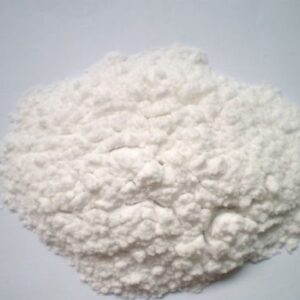
Alprazolam Powder
Price range: $450.00 through $3,500.00 -
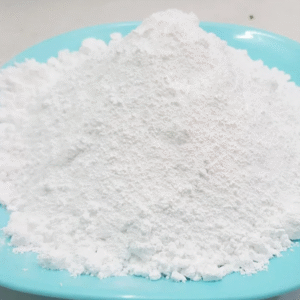
AM-1220
Price range: $200.00 through $3,850.00 -
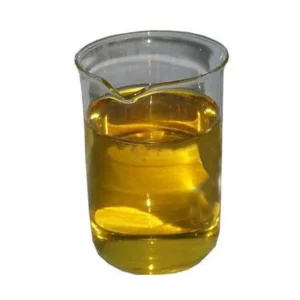
Benzyl Methyl Ketone (BMK) Oil
Price range: $430.00 through $820.00 -
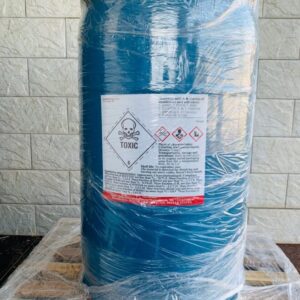
Caluanie Muelear Oxidize 100L
$45,000.00 -
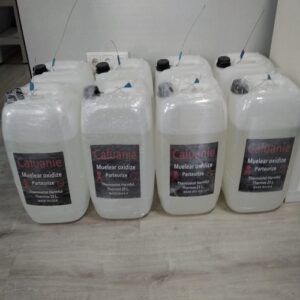
Caluanie Muelear Oxidize 10L
$5,000.00 -
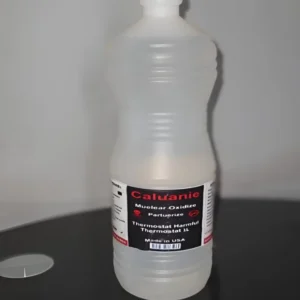
Caluanie Muelear Oxidize 1L
$1,100.00 -
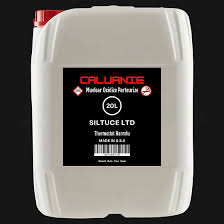
Caluanie Muelear Oxidize 20L
$10,000.00 -
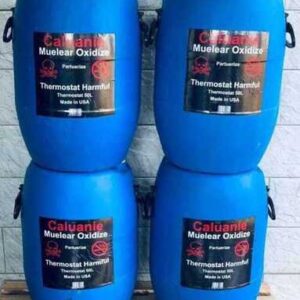
Caluanie Muelear Oxidize 50L
$20,000.00 -
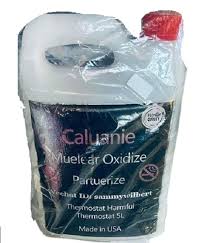
Caluanie Muelear Oxidize 5L
$2,500.00
